
 Innovating quality sports products since 1884
 UK Manufacturer of Sports Equipment
 Simple Online Ordering. Buy Direct.
 130 Years of Innovation. Trusted Suppliers
Polytunnel vs. Greenhouse vs. Cold Frame: Which is Best for Your Garden?
- Admin
- Tennis News
- 25 Mar 2026
-
7views
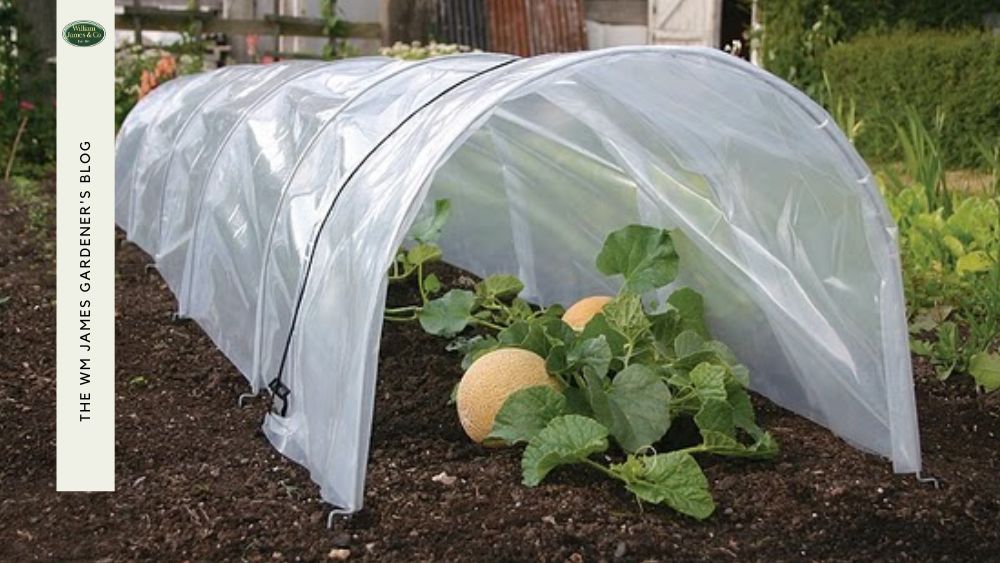
Whether you're a growing enthusiast or a slight novice, knowing what to use to protect your plants can be difficult — understandably, there are many options out there. So, welcome to the polytunnel vs. greenhouse vs. cold frame guide, where each one goes head-to-head.
A Quick Overview…
- Greenhouses offer the most controlled growing environment, with excellent insulation, strong light, and precise climate control — ideal for propagation and heat-loving crops like tomatoes and peppers.
- Polytunnels provide the best value and largest usable growing space, with diffused light, stable temperatures, and the ability to grow large quantities of produce almost year-round.
- Cold frames are compact and budget-friendly, perfect for seedlings, hardening off young plants, and extending the growing season, though they aren’t suited to tall crops or full-scale growing.
- Choose a greenhouse for precision and propagation, a polytunnel for maximum food production, and a cold frame for affordable, space-saving plant protection.
To help you decide which structure to use for the most successful growing season, we'll explain the differences, what this means, and the advantages and disadvantages of each.
At the end, we'll give you our final recommendation, so each type of gardener, whether a seasoned allotment pro or a home garden beginner, can start growing their produce with confidence.
Before we start, below is a selection of our small garden-tunnels, cold frames, and other helpful growing structures. Shop with us today and get free UK delivery*!
What Are the Different Garden Structures?
Growing plants is no mean feat, especially in tough UK gardens, which often don't get much let-up from the harsh rain and chilly conditions.
So, what do people turn to to get the growing conditions right? Structures like polytunnels, greenhouses, and cold frames.
We're sure you know what a greenhouse is (basically a shed made of glass), since they're common in many UK gardens, but we can understand why you might not be familiar with polytunnels and cold frames.
A polytunnel is a tunnel-like semi-permanent structure, often with a curved steel frame and polythene cover that protects your plants. They come in various sizes, with the larger ones being walk-in structures.
Below is a selection of our smaller polytunnels (traditional polytunnels are walk-in structures), which are excellent for protecting crops in small veggie patches.
A cold frame is another plant protection structure for gardeners. Think of it as a planter or raised bed with a clear glass or plastic lid on hinges. These also protect plants, but on a much smaller scale.
Find our Rowlinson Cold Frame below, perfect for gardeners on a budget wanting to care for young plants and seedlings.
Now we're all aligned on each garden structure, let's talk about the details.
The Differences Between a Greenhouse, Cold Frame, and Polytunnel
| Greenhouse | Polytunnel | Cold Frame | |
| Structure and Material |
|
|
|
| Features |
|
|
|
| Practicality and Uses |
|
|
|
| Light Transmission |
|
|
|
| Site Preparation and Construction |
|
|
|
| Aesthetics |
|
|
|
| Cost |
|
|
|
Structure and Materials
Greenhouse:
Most of us know what a greenhouse is, but what it's actually made of and why that could affect your decision is another story.
They're usually built with rigid aluminium, timber, or steel frames with glazed toughened or horticultural glass, or polycarbonate sheets.
As you probably know, they are a permanent, long-lasting structure, meaning they require a stable, level base for reliable construction.
They also often include roof vents, guttering, and sliding or hinged doors — think of it as a little house for your plants.
Polytunnel:
Polytunnels offer a large growing space at a lower cost, because they're made with materials like UV-stabilised polythene (which retains heat excellently) and curved steel hoops.
This does mean, though, that they are semi-permanent structures, making them more flexible than a greenhouse. They can also be easily repaired, extended, or upgraded.
A polytunnel is usually installed directly into the soil, making setup efficient.
Cold Frame:
A cold frame is a much smaller structure used for growing plants. They're typically made from wood, aluminium, or plastic (as the base of the box) and glass, acrylic, or polycarbonate (as the lid).
They generally sit low to the ground and don't require any difficult construction — they usually come assembled.
Cold frames aren't meant for large-scale growing; they are simply used to protect young plants and extend the growing season.
Think of them as a planter with a lid.
Features
Greenhouse:
Greenhouses offer the most controlled environment, making them ideal for propagation, heat-loving plants, and year-round protection if heated.
This is because of their features, including:
- Excellent insulation and heat retention
- Roof or side vents for stable airflow
- Can be fitted with staging, heaters, and automatic vent openers
Polytunnel:
Polytunnels are the workhorse of productive gardens and allotments, offering maximum growing space and a stable microclimate. This is because of its features:
- Large volume of internal air creates stable temperatures
- Doors at both ends for cross-ventilation
- Suitable for raised beds, crop rotation, and large veggie plots
- More forgiving on uneven or sloped ground
Cold Frame:
A cold frame is basically a miniature greenhouse, perfect for gardeners with little space or growing a few young plants. Some of their features include:
- Hinged lid for easy ventilation
- Protects young, small plants and seedlings from frost, wind, slugs, and heavy rain
Get Prepared and Find the 8 Best Vegetables to Grow in May
Practicality and Uses
Greenhouse:
Greenhouses offer a level of precision you may not get with other structures. They're great for specific crops (like tomatoes), and formal gardens with a small to medium space that needs to be kept tidy.
However, greenhouses do come at a price. They can be expensive depending on your needs, but they're also not ideal if you're looking for a large space to grow crops.
Polytunnel:
If your main goal is to grow produce in large quantities, all year-round, a polytunnel is usually the way to go.
They're often used for salads, brassicas, roots, and more, and they're great at allowing you to grow them beyond the typical growing season.
If you have an allotment, large garden, or smallholding, a polytunnel is ideal to utilise all the space you have, but they may not work in a normal-sized UK garden.
Cold Frame:
Cold frames are an essential companion structure — not a main growing space.
While they are vital for seed starting and transitioning young plants, they aren't the space you'll be doing the bulk of your growing.
If you're on a budget, want to extend the growing season, and you're short on space, this is the best way to go.
Read More on What to Grow in a Polytunnel
Light Transmission
Greenhouse:
Light quality affects plant growth just as much as temperature, and greenhouses provide a lot of it.
These structures offer the strongest light (direct sunlight), which is great for fruiting plants and other varieties that thrive in heat and light, but risky for heat-sensitive varieties where no shading is available.
Polytunnel:
Polytunnels provide diffused, even light, which promotes even growth and reduces stress on the plants.
Diffused light also reduces scorching, while keeping temperatures more stable. Leafy veg and long-season crops particularly appreciate this environment.
However, polytunnels have lower winter light than glass greenhouses, which is something to bear in mind.
Cold Frame:
Cold frames can provide good light for seedlings, with the angled lid panel allowing the light to enter, but the lower height of the structure means light travel is more limited.
That's why cold frames work best in south-facing gardens, where maximum sunlight can be taken advantage of.
Remember, cold frames give good light for seedlings, but they aren't a substitute for a greenhouse or polytunnel in winter.
Site Preparation and Construction
Greenhouse:
As we said earlier, greenhouses need a solid, level base, like slabs, brick, or concrete, or they won't be the reliable structure you need.
They're more technically challenging to build (often calling for two people for several hours), and they require precise positioning to maximise sunlight.
In other words, they are a high commitment.
Polytunnel:
Polytunnels offer huge flexibility and are more forgiving for DIY installation. They can be built directly into the ground and anchored in place until you need/want to move them around.
They're relatively easy and fast to build, too, even on uneven ground.
Cold Frame:
Cold frames give instant growing protection without major groundwork or prep. They'll sit anywhere flat, and assembly is usually not required.
Plus, you can easily pick it up and move it to your desired spot throughout the year as the sun moves.
Aesthetics
Greenhouse:
Some gardeners might not be interested in the aesthetics, but those with well put together formal gardens are, so we thought it's worth a mention.
Greenhouses offer the most traditional, decorative look and can enhance garden style (even property value if it's big enough!)
Polytunnel:
Polytunnels are definitely more functional than ornamental.
These structures are more at home on an allotment or working garden than in someone's home, but that doesn't mean you can't use them.
Polytunnels come in a range of sizes, and if you'd prefer a smaller one to look better in your traditional garden, you can still grow a variety of veggies in there.
Cold Frame:
Cold frames are neat, compact, and unobstructive — they can actually enhance the look of your garden, especially if you're growing flowers inside.
If visual appeal is a priority, greenhouses or cold frames are the clear winners; polytunnels are more about productivity.
Cost
Greenhouse:
Of course, you've probably already guessed it, greenhouses are the most expensive option.
Costs can further increase when you consider size, glazing, and framing materials, too.
Plus, if your garden doesn't have a dedicated base for the structure, you'd have to construct one, which could further cost you.
Polytunnel:
Polytunnels offer the best value per square metre. The larger the growing space, the better the value.
They're also a much cheaper option than a greenhouse if you have a large area to cover.
However, there will be a few ongoing costs. New polythene should be installed every 5-10 years, and you should be vigilant of damage, as it would need to be repaired immediately.
Cold Frame:
Cold frames are the least expensive option with minimal ongoing maintenance.
Great for new gardeners or small spaces, cold frames offer a space to grow on a budget.
The Advantages and Disadvantages of Polytunnels, Greenhouses, and Cold Frames
You should now understand the differences between each of the garden structures, but to really help you decide which to choose, you need to clearly understand the advantages and disadvantages of each.
Below is a breakdown of just that:
| Type | Advantages | Disadvantages |
| Polytunnel |
|
|
| Greenhouse |
|
|
| Cold Frame |
|
|
Which Structure is Best for Growing Plants and Crops?
Choosing the best structure for growing plants and crops between a greenhouse, cold frame, and polytunnel ultimately comes down to how you grow, what you grow, and the space you have available.
Read the Essential Veg Growing Calendar
Each structure offers clear advantages, and none is objectively best — just different.
- A greenhouse is the best choice if you want precision, heat retention, and a long-lasting, attractive structure. It’s ideal for propagation, tender plants, and heat-loving crops like tomatoes and peppers. However, it comes at a higher cost and requires more preparation and maintenance.
- A polytunnel delivers unrivalled growing space, flexibility, and value for money. It offers stable temperatures, diffused light, and the ability to grow large quantities of food almost year-round. If your priority is maximum growing potential, rather than garden aesthetics, a polytunnel is hard to beat.
- A cold frame fills a different but vital role: it’s the perfect tool for seedlings, hardening off, and extending the growing season on a budget. While it can’t replace a greenhouse or polytunnel, it complements either one and remains the simplest entry point for new growers.
Read the Essential Veg Growing Calendar
The Final Verdict: Greenhouse vs. Cold Frame vs. Polytunnel
You've had all the information on key differences, advantages, and disadvantages, but really, it comes down to one thing: in the end, the best structure is the one that aligns with your goals. So, here's our final verdict:
- For serious food production → choose a polytunnel
- For heat control and propagation → choose a greenhouse
- For budget-friendly season extension → choose a cold frame
Whatever you choose, each structure enhances your growing potential, and with the right setup, any one of them can transform your garden into a productive, reliable growing space throughout the year.
Shop everything you need to produce your own crops below, and let's get you growing!
*Free UK delivery on orders over £100
FAQs
What Are the Disadvantages of Polytunnels?
If you're thinking about getting a polytunnel for your garden, you should be aware of the disadvantages.
Some of these include:
- May not remain stable in strong weather conditions
- More likely to get damaged by animals and pests
- Not as aesthetically pleasing
If you'd like to hear more details (including the advantages of this garden structure), head to our blog post above!
Which is Warmer, a Greenhouse or a Polytunnel?
The answer depends on when and how you're growing your plants.
The short answer is greenhouses get hotter during the day, while polytunnels stay warmer throughout the night.
If you're looking for a quick heating structure, a greenhouse is ideal, but for more stable and even temperatures, a polytunnel is often the better choice.
Do Polytunnels Attract Rats?
It's not the polytunnels themselves that attract rats; it's the conditions they create that draw them in.
Polytunnels provide warmth, shelter, and food, making them appealing to rats and other pests.
To reduce the risk, you should:
- Close off entry points
- Use natural deterrents
- Keep seeds in sealed containers
- Avoid storing harvested crops inside
Learn how to spot infestations in our guide to rats in the garden.
Do You Need Planning Permission for a Polytunnel in Your Garden?
Generally, you don’t need planning permission for a polytunnel, but there are some exceptions.
This may include very large structures, installations in protected areas, or tunnels used for commercial agriculture.
If you're unsure, it's always best to check with your local council before installing.
Can You Grow Vegetables All Year-Round in a Polytunnel?
Yes, you can grow vegetables in a polytunnel all year round, depending on your setup and crop selection.
While they don’t guarantee 12-month growing on their own, polytunnels significantly extend the growing season.
With proper temperature control, ventilation, and winter protection, year-round growing becomes much more achievable.
Related Posts





Categories
Recent Posts



 RSS Feed