
 Innovating quality sports products since 1884
 UK Manufacturer of Sports Equipment
 Simple Online Ordering. Buy Direct.
 130 Years of Innovation. Trusted Suppliers
Steel Vs. Aluminium Football Posts: Which is Best for Your Facility?
- Admin
- Blog Posts
- 15 Jun 2026
-
22views
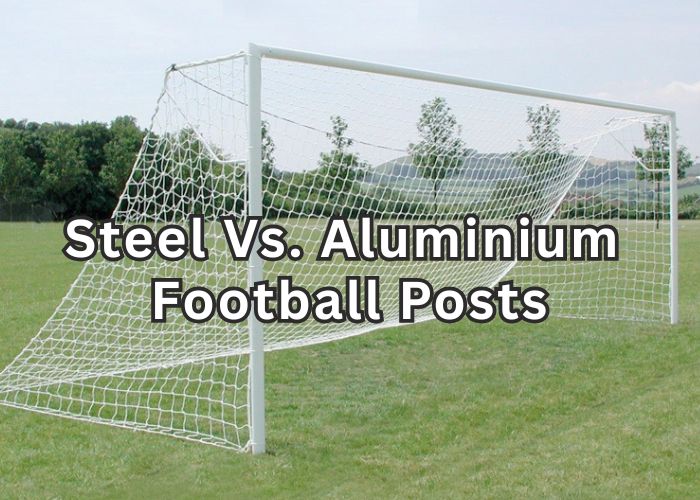
If your facility, club, or school is on the lookout for new football goal posts, but you're not sure which to choose, welcome to our steel vs. aluminium football posts guide, where we'll help you understand the properties of both.
With so many football goal posts out there, it can be difficult to know the best for your specific facility's needs.
That's why we're breaking it down material by material. We'll also give you some information on the other factors that may affect your decision.
So, steel vs. aluminium football posts — which one will you choose? Keep reading to learn more.
Steel Vs. Aluminium Football Posts: The Key Facts
- Aluminium football posts are lightweight, corrosion-resistant, and easy to move, making them ideal for schools, sports clubs, academies, and facilities that regularly reposition goals.
- Steel football posts are heavier, more vandal-resistant, and often lower in cost, making them well-suited to permanent installations in public parks and recreation grounds.
- Aluminium goals require less maintenance because they naturally resist rust, while steel goals rely on galvanised or powder-coated finishes for long-term weather protection.
- Choose aluminium for portability and versatility, or steel for durability, security, and fixed locations where goals rarely need to be moved.
- The best football goal post depends on your facility's needs, including budget, portability requirements, goal size, netting style, and whether you need a socketed or freestanding system.
What are Aluminium Goal Posts?
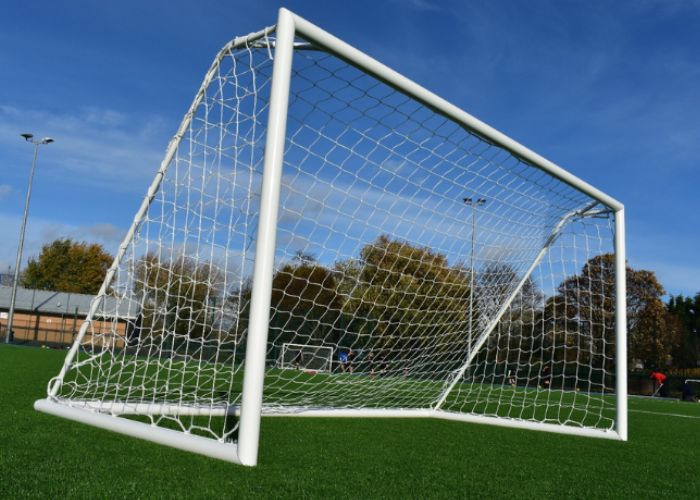
An aluminium goal post is a type of goal post used in football, either during professional matches, tournaments, or casual use.
It is made primarily from aluminium, a lightweight and tough metal, making it an ideal material for portable sports equipment.
Aluminium goal posts come in a variety of sizes and shapes to accommodate different playing levels and pitch sizes.
The durable sports posts are often used in professional-level stadiums, training facilities, schools, and recreational areas where usage is high.
Discover Edwards Sports Metal Football Goals Here
Components of an Aluminium Durable Sports Post
Most aluminium football posts consist of:
- Aluminium uprights (goalposts)
- Aluminium crossbar
- Aluminium net support frame
- Ground sockets or a weighted frame system
- Integrated net fixing channel
- Plastic or nylon net clips
- Goal net
- Internal corner joints or reinforced brackets
- Wheels or roller systems (on movable models)
Read: Maintenance Tips for Tennis Nets and Goals
Benefits of an Aluminium Football Goal Post
- Significantly lighter than steel, making them easier to move.
- Naturally corrosion-resistant, meaning they won't rust.
- Ideal for clubs that need to reposition goals regularly.
- Commonly used for professional and semi-professional football facilities.
- Suitable for both socketed and freestanding systems.
- Lower maintenance requirements due to their weather resistance.
- Often, the preferred option for schools, academies, and clubs because of their balance of strength and portability.
- Available in self-weighted and wheeled designs for improved safety and manoeuvrability.
Find a selection of our aluminium football goal posts below, and shop direct with us today.


What Are Steel Football Posts?
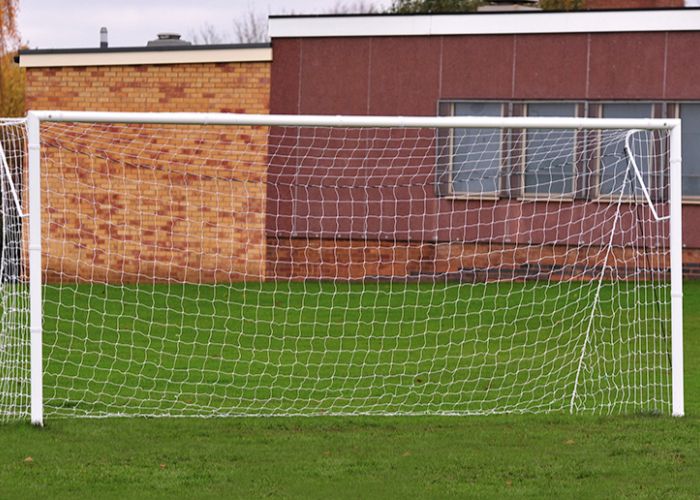
A steel goal post is another type of post used in football, often preferred for permanent set-ups due to the heaviness of the material.
Usually made from heavy-duty, sturdy steel, these goal posts are durable but very heavy. Unlike aluminium goal posts, steel posts are less suitable for temporary or portable setups.
Again, steel goal posts come in a variety of sizes and shapes to accommodate different playing levels and pitch sizes.
Components of a Steel Football Goal Post
Most steel football posts consist of:
- Steel uprights (goalposts)
- Steel crossbar
- Ground sockets (for socketed systems)
- Steel back supports or net supports
- Net hooks or net fixing channels
- Goal net
- Protective powder-coated or galvanised finish
- Anchor points or fixing systems (for freestanding models)
Benefits of a Steel Football Goal Post
- Highly durable and capable of withstanding heavy use.
- Excellent vandal resistance, making them ideal for public parks and recreation grounds.
- Lower upfront cost than aluminium alternatives.
- Strong and rigid construction with minimal movement during play.
- Suitable for permanent installations where goals are rarely moved.
- Long lifespan when galvanised or powder-coated for weather protection.
Find a selection of our steel football goals below. Shop with us today and get fast delivery across the UK and globally:


Key Differences Between Steel and Aluminium Goal Posts
To make it easier to make the decision for your club, facility, or school, below is a simple comparison table for both steel and aluminium football goal posts:
| Feature | Steel Posts | Aluminium Posts |
| Weight | Heavy | Lightweight |
| Portability | Limited | Excellent |
| Corrosion Resistance | Requires protective coating | Naturally corrosion-resistant |
| Cost | Lower | Higher |
| Best For | Public parks, permanent installations | Clubs, schools, academies |
| Vandal Resistance | Excellent | Good |
| Maintenance | Moderate | Low |
| Typical Lifespan | Long | Very long |
The Final Verdict
So, will it be a steel football goal post, or an aluminium one? Here at Edwards Sports, we specialise in both, and here is our summary:
For most football clubs, schools, and sports facilities, aluminium football posts offer the best balance of durability, portability, and weather resistance.
However, steel football posts remain an excellent option where goals will stay in one location permanently, and vandal resistance or budget are the main considerations.
Shop Our Range of Metal Football Goal Posts Here
Other Factors That Influence Your Choice of Metal Goal Posts
The material of the football goal posts isn't the only factor to consider when making your purchase. The size, netting type, and more all play a crucial role in determining whether a goal post is a good fit for your club.
Learn How to Choose a Reliable Sports Equipment Supplier
Find the details below, so you can choose the right goal posts for your facility.
Size
Depending on the type of football you offer or host at your venue, you'll need to consider the size.
For example, do you host professional 11-a-side football? Or is it more like 5-a-side football for under 10s at your school?
Each age group tends to correspond to a different-sized football goal post, as do different-sized teams. Below are some examples to help you choose your goal post:
- 11-a-side football for 16+ and senior - FIFA-approved size (24 ft wide x 8 ft high)
- 11-a-side football for under 15/16 - FIFA-approved size (24 ft wide x 8 ft high)
- 11-a-side football for under 13/14 - FIFA-approved size (24 ft wide x 8 ft high)
- 9-a-side football for under 11/12 - regulation size (16 ft wide x 7 ft high)
- 7-a-side football for under 9/10 - recommended sizes (12 ft wide x 6 ft high)
- 5-a-side football for under 7/8 - junior-size (12 ft wide x 4 ft high)
It's important to note that these are just general guidelines, and you may need to consult with your local league or governing body for specific regulations and requirements.
Netting Type
Netting type also plays a part in football goal decision-making. Below are some of the most common types of football netting:
- Continental nets: Continental goals, often called standard goals, feature classic D-brackets or elbow net supports at the top of the goalposts. The net drapes over these brackets and is secured to the ground with pegs. Commonly used at grassroots and amateur levels, these versatile nets are also suitable for training sessions and small-sided games.
- Box nets: Box nets, also known as stadium box nets, are the preferred choice for top-level clubs like those in the Premier League and other professional leagues. The goals include a bottom frame that rests on the turf and back support stanchions. The net is tied to these supports, keeping it taut and preventing sagging. This gives the goal a more rigid and sturdy appearance.
- Straight back nets: These nets don't require D-brackets or other supports, as they drape straight down from the posts and are secured to the ground. They are a basic, affordable style of football net, making them a great option for small-sided games, training sessions, or those on a budget.
Find a small selection of our football netting below, or head to our football netting page to browse our whole range:


Socketed or Free-Standing
Socketed or free-standing goal posts are another consideration for clubs and facilities. Here's what you need to know:
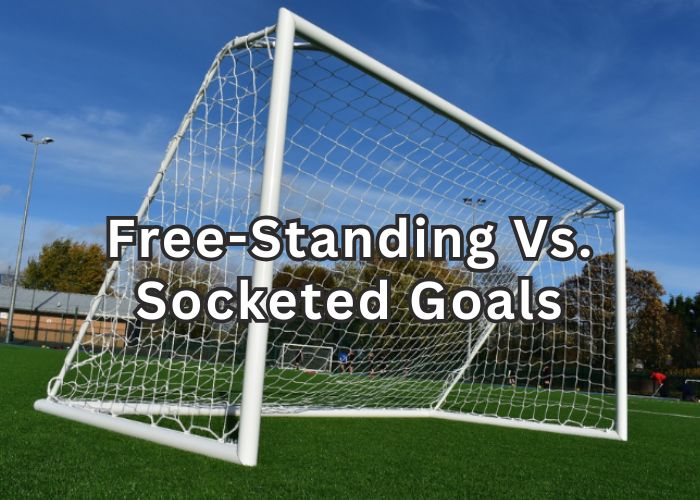
- Socketed goal posts tend to be permanent structures that have been socketed with fixtures into the ground. These goal posts are extremely sturdy and are most compatible with venues that don't need to move their goal posts around.
- Free-standing goal posts, on the other hand, can be moved around, making them a flexible structure within your venue. They aren't permanently fixed to the ground, so they can be packed up or moved around the pitch.
Socketed goal posts are likely more suited to football clubs and specific football facilities, where games are played frequently, and there is no need to move the posts around.
Find Our Selection of Socketed Football Goals Here
However, free-standing goal posts may be better suited for tournaments, schools, and multi-sports facilities.
Click Here for Our Range of Free-Standing Football Goal Posts
If you need more help choosing between socketed and free-standing posts, head to our blog post for the details.
Steel Vs. Aluminium Football Posts: The Final Verdict
When it comes to the material of football posts, there is always a debate between steel and aluminium. Both materials have their benefits, so it ultimately comes down to personal preference.
Below is our final summary:
Steel football posts are known for their durability and strength. They can withstand heavy use and extreme weather conditions without bending or breaking. This makes them suitable for professional football grounds, where games are played frequently, or permanent set-ups.
Aluminium football posts are lightweight and easy to move around, making them ideal for tournaments, schools, and professional use. They are also resistant to rust and corrosion, making them low-maintenance.
So, if you’re ready to make a decision between aluminium and steel, browse a selection of our football goal posts below or head to our collection page for the full range!
Shop All Edwards Sports Football Goal Posts
-
 60mm OD Aluminium folding goalsFrom: £756.00
 -
 Aluminium Football Goals, Freestanding - 80mm ODFrom: £1,542.00
 -
 Steel Socketed Heavyweight Football Goals - 76mmFrom: £1,032.00
 -
 Steel Football Goals, Socketed - 60mm ODFrom: £1,032.00
If you need more help deciding the best one for you, give us a call! We'd be more than happy to go through your options and help you choose the best goal post for you.
FAQs
What Are Professional Football Posts Made From?
Professional football posts are typically made from either steel or aluminium. Steel posts are often chosen for their durability and strength, while aluminium posts are valued for their lightweight and weather-resistant properties.
Learn more about the two types of posts in the blog post above.
Are Goal Posts Metal or Plastic?
How Often Do Football Goal Posts Need Replacing?
The lifespan of football goal posts can vary depending on the material, frequency of use, and weather conditions.
Metal goal posts can last for decades with proper maintenance, while plastic goal posts may need to be replaced more frequently due to wear and tear.
We recommend regularly inspecting goal posts for any damage or signs of deterioration, and replacing them as needed.
What is the Difference Between Free-Standing and Socketed Football Goal Posts?
Free-standing goal posts are standalone structures that do not require any permanent installation or fixing to the ground. They are typically used for recreational purposes, such as home use, schools, or public parks.
On the other hand, socketed goal posts are permanently fixed into the ground through a socket or anchor system. This provides a more stable and secure structure, making them suitable for professional and competitive play.
Related Posts


Categories
Recent Posts




 RSS Feed