
 Innovating quality sports products since 1884
 UK Manufacturer of Sports Equipment
 Simple Online Ordering. Buy Direct.
 130 Years of Innovation. Trusted Suppliers
The Wimbledon Standard: Summer Tennis Court Preparation
- Admin
- Blog Posts
- 27 Apr 2026
-
8views
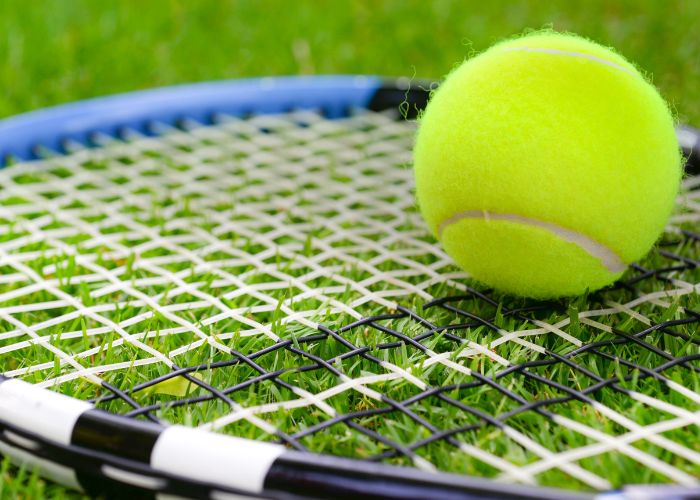
With the summer tennis season upon us, it's time to get your courts ready for action. In this guide, we'll walk you through the essential UK summer tennis court preparation to get your court up to Wimbledon standards.
While tennis court maintenance is a year-round job, the summer months bring increased footfall, especially as Wimbledon inspires new players to pick up a racket.
More players mean more wear and tear on your surface and equipment, making regular monitoring crucial.
Whether you're a club preparing for peak season, a sports facility, groundskeeper, or home-court owner, preparing your court for summer is key to performance, safety, longevity, and avoiding costly repairs.
In our guide, we'll go through clay, grass, and hard courts, so you can understand the specific requirements of each to ensure optimal gameplay. Read on for details.
Summer Tennis Court Preparation: A Brief Overview
- The best approach to summer tennis court preparation is to match maintenance to the court type: Water and level clay, mow and roll grass, and clean and repair hard courts.
- Tennis court summer prep should also include checking nets, posts, drainage, fencing, and windbreaks, so the full court environment is safe and match-ready.
- Preparing courts properly for summer improves player safety, supports better performance, and helps extend the life of both the surface and court equipment.
- Small issues such as cracks, worn markings, poor drainage, and overgrown surroundings should be dealt with early, before they affect play or become more costly to fix.
Clay Tennis Court Preparation
Clay Court Summer Preparation Checklist
- ☐ Clear the court of dirt and debris for cleanliness.
- ☐ Resurface the court if there is damage.
- ☐ Repaint the line markings for freshness and visibility.
- ☐ Water the clay surface (daily during summer) to prevent damage and retain traction.
Clay courts require consistent maintenance, but reward players with slower rallies and reduced joint impact.
Read Clay Courts vs. Hard Courts
Since they're highly affected by weather conditions, they require careful moisture control to maintain playability.
So, if you have a clay court and want to get it ready for the summer months, we have outlined exactly what you need to do below.
Cleaning the Court
Before you do anything else, you need to give your clay court a good clean. This will involve removing any debris, such as leaves, twigs, and stones, that may have accumulated on the surface.
To do this effectively, you can use a leaf blower or a brush with stiff bristles. Make sure to sweep in one direction to avoid pushing debris back onto the court.
Next, lightly hose the surface if needed, avoiding high-pressure washing, which can damage the clay layer.
Discover Our Guide to How to Clean a Tennis Court
Resurfacing and Painting
After the court is thoroughly cleaned and dried, you might find that after a harsh winter, you need to resurface the clay.
Resurfacing typically involves adding and levelling new clay, followed by rolling to create a consistent playing surface. This process is best handled by professionals to ensure correct compaction and drainage.
Once the entire court is covered with a new layer of clay, allow it to dry for at least 24 hours before proceeding with painting.
You'll then need to repaint all line markings and borders using a high-quality, non-slip court paint. This will not only make the court look fresh and new, but also provide better visibility for players.
Read Our Tennis Court Markings Guide
You can use stencils to ensure precise and straight lines, or you can hire a professional painter if you're not confident in your skills.
Watering
It's essential that you water your clay tennis court to allow it to retain the moisture needed for traction. This should be done throughout the year, but it's especially important throughout the summer when the sun is beating on the surface.
If you are going through a particularly dry period in your area, it's best to water your court daily. A fine sprinkler or mist is ideal; this way, the water won't cause any unnecessary damage to your court.
And finally, be sure to only water your court in the morning or evening when the sun isn't shining on the surface. This will reduce evaporation.
Lawn Tennis Court Preparation
Lawn Tennis Court Summer Preparation Checklist
- ☐ Mow and cut the lawn a few times per week for optimum play.
- ☐ Focus on soil care to maintain ball bounce and lawn health.
- ☐ Roll the lawn as needed for a dry, firm, and smooth playing surface.
- ☐ Repaint the line markings to ensure visibility.
As a tennis player, having access to well-maintained courts is crucial for the enjoyment of the game. Proper preparation directly impacts play quality and player experience, and this is especially true with lawn tennis courts.
Lawn tennis courts are usually synonymous with premium facilities, where members have access to state-of-the-art equipment and dedicated staff.
However, even with these amenities, it still requires proper maintenance to keep the courts in top condition. Below are some lawn-maintenance tips.
Lawn Care
If you're aiming for Wimbledon-standard turf, take great pride in your lawn. Mowing is the best way to keep it looking pristine and professional for the summer season.
For the best results, use a cylinder mower that provides a clean, sharp cut. Professional tournaments like Wimbledon maintain grass at around 8mm, though recreational courts may opt for slightly higher cuts for durability.
Mowing your lawn three times a week during the playing season should be sufficient to maintain this height.
However, before you trim the surface, you need to ensure your grass has been adequately fed and aerated to keep it healthy, and this starts with soil health.
Soil Health
Soil health is essential for a lush, green lawn. A healthy soil foundation relies on proper pH levels and nutrients, so you'll need to test your soil regularly to understand its needs.
You can use a DIY soil test kit or send a sample for professional analysis.
Aerating your lawn is also crucial, as it improves the movement of air, water, and nutrients to the roots. This process involves creating small holes in the ground, which can be done using a manual or powered aerator.
Watering is the next key step. Grass needs frequent watering, especially during summer, to prevent the soil from becoming dry and hard.
For a tennis court, the soil's moisture content is critical. According to Wimbledon's experts, the amount a ball bounces is largely determined by the soil, not the grass.
The soil should be firm enough to support consistent play without damaging the surface, which is often achieved through careful rolling and moisture control.
Rolling
Rolling is the process of using a heavy roller to compact the soil. This helps to create a firm and smooth surface for play.
The ideal time for rolling is when the moisture content in the soil is between 8-10%. Rolling too often or on overly wet soil can lead to compaction and damage to the grass roots.
It is also important to note that rolling should be done in multiple directions, not just one, to ensure an even and level surface.
The weight of the roller used should also be considered, as heavier rollers will produce a harder surface but can also cause more damage to the grass if not used properly.
Painting
Finally, re-painting your court's line markings is a key part of preparing it for summer play.
Weather and wear can cause lines to fade and become uneven over time, so it's recommended to repaint them at least once a year.
Before painting, clean the court surface of any dirt or debris and be sure to select a paint specifically designed for outdoor sports surfaces. But, again, this can be left to the professionals.
Hard Tennis Court Preparation
Hard Tennis Court Summer Preparation Checklist
- ☐ Clean the court weekly so that it is free of debris, moss, and other dirt.
- ☐ Monitor and repair any cracks in the surface.
- ☐ Resurface the court every 4–6 years.
- ☐ Repaint line markings for full visibility.
Hard tennis courts, while a great surface for multi-sports facilities, public parks, and schools, are the most cost-effective and tend to have low maintenance requirements.
However, to keep your hard tennis court in top shape and prolong its lifespan, proper preparation, especially for summer, is essential.
Follow our tips below to find out how you can prepare your hard tennis court for a busy summer tennis season.
Cleaning
Regular cleaning is vital to maintain the quality and safety of a hard tennis court. Begin by removing any debris, such as leaves, branches, or dirt, using a soft brush or leaf blower. This prevents the build-up of organic material, which can lead to moss and algae growth.
For more stubborn dirt, use a pressure washer on a low setting to avoid surface damage.
You also may want to consider a chemical treatment. This involves applying a solution to the court surface, which helps remove dirt and moss while preventing future growth.
However, always ensure treatments are approved for sports surfaces and are environmentally safe.
Consistent cleaning not only improves playability but also extends the court's lifespan, so it's important to take up cleaning tasks throughout the year, not just through the summer months.
Repairs
Regular maintenance can help prevent major issues with your tennis court, but it's also important to be aware of any repairs that may be needed.
Cracks in the surface should be addressed as soon as possible, as it's a matter of player safety.
Most minor cracks can be filled with a patching compound designed for tennis courts. However, larger cracks may require professional repair to ensure they are properly fixed and do not reappear.
Regularly inspecting your court for any signs of damage can help catch these issues early on.
Resurfacing and Painting
In addition to routine maintenance, resurfacing and painting your tennis court is essential for its longevity and playability.
Hard courts, on average, should be resurfaced every 4-6 years. If it's time to resurface yours, be sure to contact a professional in time for summer.
Even if you haven't resurfaced this year, a repaint is always needed to touch up line markings on the court so players have full visibility.
Final Takeaway…
| Surface | Maintenance Level | Key Summer Focus |
| Clay | High | Moisture control and levelling |
| Grass | Very high | Mowing, rolling, and soil health |
| Hard | Low | Cleaning and crack repair |
General Tennis Court Preparation and Maintenance Ahead of Summer
While surface-specific maintenance is essential, there are broader areas that shouldn't be overlooked when preparing any tennis court for the summer season.
From equipment checks to environmental considerations, these elements play a key role in ensuring safe, consistent, and high-quality play across all court types.
So, if you want to ensure your court is fully prepared for the summer season, follow our advice below:
Equipment
Before the start of the summer season, all on-court equipment should be thoroughly inspected to ensure it is safe, secure, and performing as expected.
Find Out How to Choose a Reliable Sports Equipment Supplier
This includes checking nets for correct height and tension, ensuring posts are stable and free from corrosion, and confirming that any adjustable mechanisms are functioning smoothly. You should also ensure your post sockets are free from debris.
If you’re in need of a post upgrade, you can check out some of our professional, high-quality options below, or browse our durable range here.


Worn or damaged nets should be replaced, as sagging or uneven nets can significantly impact play quality. Find some of our most popular net options below, or browse our extensive range here.


It’s also worth reviewing any additional equipment, such as umpire chairs, scoreboards, and court accessories.
-
 Wooden Scoreboard£306.38
 -
 Standard Umpire Chair£1,049.90
 -
 Court Valet Tidy Bin£92.69

Investing in high-quality, durable tennis court equipment, like ours at Edwards Sports, not only improves the playing experience but also reduces the likelihood of in-season failures and maintenance issues.
Drainage
Good drainage is key to keeping your court in top condition, especially with the UK's unpredictable weather. Poor drainage leads to standing water, surface damage, and more downtime after rain.
Before summer, check for water pooling and ensure drainage channels are clear of debris. This is especially important for clay and grass courts, as it affects gameplay and player safety.
Surround Fencing and Windbreak Netting
Perimeter fencing and netting play an important role in both safety and usability, yet it is often overlooked during seasonal preparation.
Find Out If You Need a Fence Around Your Tennis Court
Check fencing for structural integrity, ensuring there are no loose posts, damaged panels, or sharp edges that could pose a risk to players. Gates should open and close smoothly, with secure locking mechanisms where required.
-
 Tennis Court Surround SystemFrom: £2,825.28
 -
 Tennis Court Surround NetFrom: £2.65
You should ensure your windbreak netting has no tears and is properly secured with the correct fixings for optimal usage.
-
 Custom Tennis Court Windbreak Screen 2m HighRegular Price £13.44 Special Price £12.10
 -
 Tennis Court Screens - 200gsm, Superior 50% Shade, Windbreak ScreensFrom: £155.99 Regular Price £175.02
Well-maintained fencing and netting not only enhance safety but also contribute to a more professional and enclosed playing environment.
Surrounding Environment
The condition of the areas surrounding your court can have a direct impact on maintenance requirements and playability.
Overhanging trees, nearby vegetation, and loose surfaces can all contribute to debris build-up, increased cleaning demands, and potential surface damage.
Trimming back trees and managing surrounding landscaping can significantly reduce the amount of organic matter that ends up on the court.
You should also consider how wind exposure, sun positioning, and general site layout affect the court.
For example, shaded areas may retain moisture for longer, while exposed courts may dry out more quickly, particularly on clay surfaces.
Common Summer Preparation Mistakes
Even with the best intentions, there are several common mistakes that can negatively impact court performance during the summer months.
We have listed some below so you can ensure they aren't made on your court:
Discover Our Guide on How to Reduce Sports Maintenance Costs
Final Words: Getting Your Tennis Court Up to Scratch
With Wimbledon just around the corner, now is the perfect time to get your court in top condition for the summer season. Following our advice will help you get your court up to centre-court standard in no time!
While summer preparation is key, remember that tennis court maintenance is a year-round job. We encourage you to apply these tips throughout the other seasons to keep your court in prime condition.
If upgrading your equipment is part of your summer preparations, we can help with that, too. With over 140 years of experience manufacturing high-quality tennis equipment for prestigious venues, we supply products that not only look great but also stand the test of time.
For any other questions, please don't hesitate to contact us. Enjoy your summer on the court!
FAQs
How Much Does It Cost to Prepare a Tennis Court for Summer?
The cost of preparing a tennis court for summer can vary depending on the type of court and the extent of work needed.
Generally, hiring professional maintenance services and purchasing new equipment can result in higher costs. The following might be able to give you a rough idea of how much summer preparations can cost:
- Clay: £500 - £2,000+
- Lawn: £1,000 - £5,000+
- Hard: £300 - £1,500+
It's important to regularly maintain your tennis court to avoid more costly repairs in the long run.
How Should I Prepare My Tennis Court for the Winter?
Winter can be a challenging time for tennis court maintenance, as cold temperatures and harsh weather conditions can take a toll on the court's surface and surrounding areas.
To ensure your tennis court remains in good condition during the winter months as well as summer, here are some important steps to consider:
- Clean and clear the court of all debris
- Check for cracks and damage
- Cover the court when not in use
- Bring equipment inside when not in use
- Clear all surrounding drainage areas
- Remove windscreens
How Do I Maintain My Tennis Court Year-Round?
Maintaining your tennis court year-round is essential to its longevity and overall playing condition.
Just like any outdoor surface, a tennis court is subject to wear and tear from various elements, such as weather, usage, and debris.
To ensure your court remains in top shape throughout all seasons, you should consider cleaning, updating equipment, checking for damage, and more.
For details, head to our tennis court maintenance guide 101.
What Are the Best Tennis Courts to Maintain?
There are a variety of tennis court surfaces available, each with its own unique maintenance requirements.
However, the easiest court to maintain is a hard court, typically made of concrete or asphalt. Hard courts require minimal maintenance compared to other surfaces, such as clay or grass courts.
Related Posts





Categories
Recent Posts




 RSS Feed